
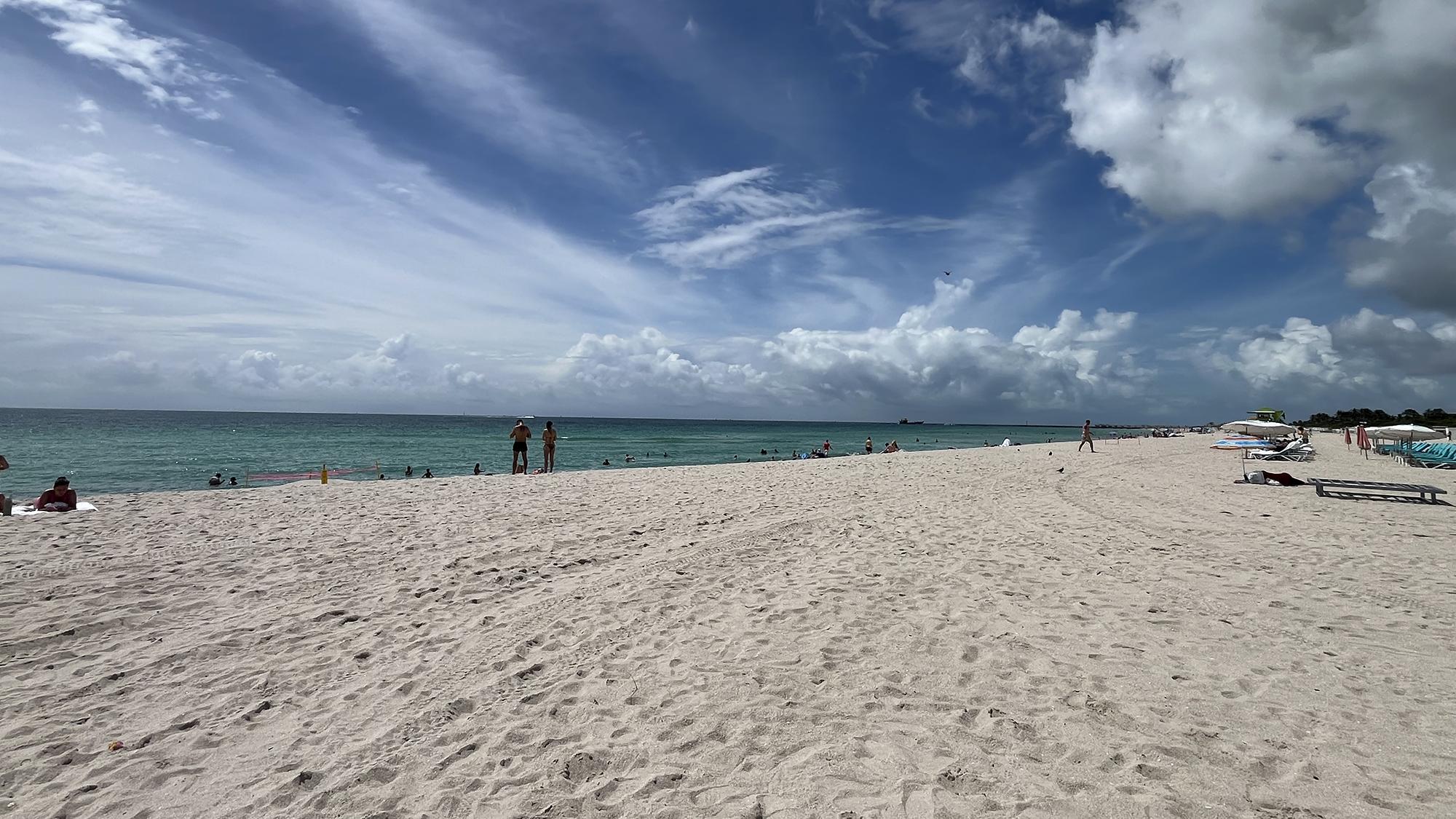
Naples, Florida has long marketed itself as a refined coastal destination—known for sugar-sand beaches, championship golf courses, upscale dining, and a slower, polished pace of life. But as cannabis laws continue to reshape tourism across the United States, visitors increasingly wonder how marijuana fits into the experience in Naples—and whether strict rules help or hinder the local tourism economy.
Unlike major Florida cities that have embraced a more visible cannabis culture, Naples remains firmly conservative in its approach. Recreational marijuana is illegal statewide, and while medical marijuana is legal in Florida, Naples enforces its regulations carefully. Public consumption of cannabis—medical or otherwise—is prohibited, and the city has historically opposed allowing marijuana dispensaries within city limits. That stance reflects broader priorities in Collier County, where local leaders emphasize family-friendly tourism, property values, and a luxury brand image.
For many tourists, these rules shape behavior long before arrival. Visitors from legal states like California, Colorado, or New York may assume cannabis access is simple everywhere, only to discover that Naples operates differently. Medical marijuana patients from out of state cannot legally purchase cannabis in Florida, as the state does not recognize reciprocity. As a result, some travelers adjust expectations, choosing to focus on beaches, boating, golf, wellness spas, and dining rather than cannabis-related experiences.
From a tourism perspective, this creates a distinct divide. Naples continues to attract retirees, affluent seasonal residents, and international visitors seeking a quiet escape rather than nightlife or counterculture experiences. For this demographic, strict marijuana laws are often viewed as a positive—reinforcing the city’s reputation for order, safety, and exclusivity. Hotel operators and resort managers frequently cite these policies as aligned with the expectations of their core guests.
However, consumer trends suggest the picture is evolving. Younger travelers increasingly view cannabis as part of wellness, relaxation, and responsible adult leisure—similar to wine or craft cocktails. As Florida’s medical marijuana program expands under oversight from the Florida Department of Health Office of Medical Marijuana Use, more visitors are becoming aware that cannabis is legal in limited medical contexts, even if access remains tightly controlled.
Some tourism analysts argue that Naples’ restrictive stance may quietly push cannabis-friendly travelers toward other Florida destinations that offer more lenient local enforcement or nearby dispensaries. Yet others note that Naples has never positioned itself as a nightlife-driven market, making the impact less significant than in cities built on entertainment tourism.
Ultimately, marijuana laws have not slowed Naples’ tourism engine—but they have clearly shaped it. The city has chosen brand consistency over experimentation, prioritizing a polished coastal image over broader cannabis accessibility. For visitors, understanding the rules is essential: discretion, compliance, and respect for local laws remain part of the Naples experience.
As cannabis normalization continues nationwide, the conversation may resurface. For now, Naples stands as an example of how tourism destinations can thrive while maintaining a firm—and deliberate—stance on marijuana.